Sutton High Street removals guide for tight access moves
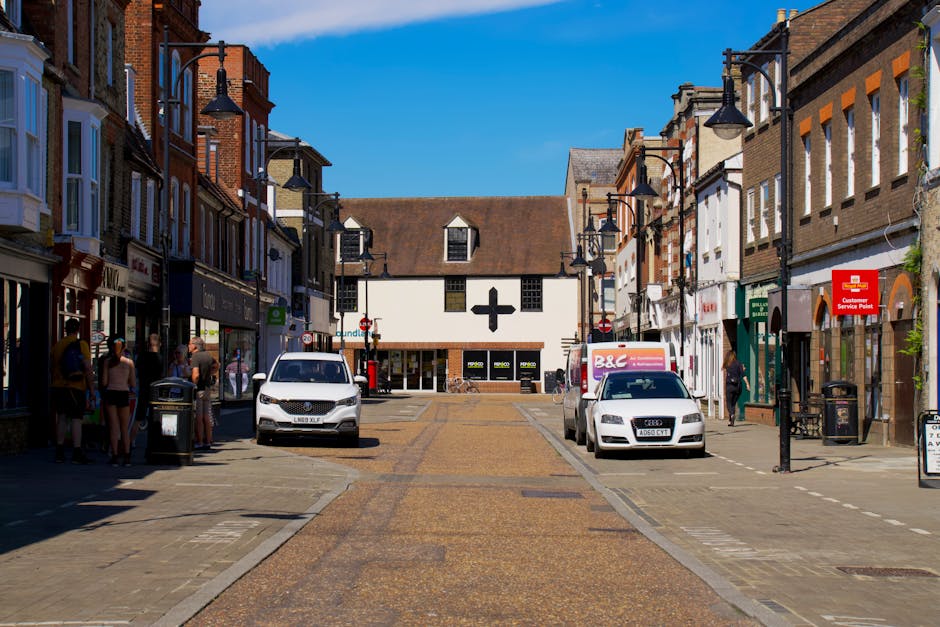
If you are planning a move on Sutton High Street, you already know the tricky bit is rarely the boxes. It is the access. Tight pavements, busy traffic, awkward loading points, stairwells, shared entrances, and the occasional "where on earth do we park?" moment can turn a simple removal into a bit of a puzzle. This Sutton High Street removals guide for tight access moves is here to make that puzzle easier to solve.
Whether you are moving from a flat above a shop, a small house with a narrow frontage, or a business premises with limited kerbside space, the right approach saves time, avoids damage, and keeps stress down. We will walk through how tight access removals work, what to check before moving day, which vehicle and packing choices make the biggest difference, and how to avoid the classic mistakes that cause delays. To be fair, most problems are predictable once you know what to look for.
For readers comparing options, it also helps to understand which service type fits the job best. In many cases, a smaller vehicle and a flexible crew will beat a larger truck that simply cannot get close enough. That is the practical reality, not the glossy brochure version.
Why Sutton High Street removals guide for tight access moves Matters
Tight access changes everything. On a normal residential street, you can often line up a van, load efficiently, and keep moving. On Sutton High Street, access can be constrained by traffic, short stopping windows, narrow entrances, or buildings that sit directly above active ground-floor units. That means a move needs more planning than just booking a vehicle and turning up on the day.
In practical terms, tight access matters because every extra metre between the front door and the vehicle adds handling time, physical effort, and risk. A sofa that would be straightforward from a driveway becomes a two-person shuffle through a corridor, out into a public space, and around pedestrians, bikes, or delivery trolleys. It is not dramatic, just fiddly. And fiddly is what creates delays.
There is also the issue of disruption. Sutton High Street is busy enough without a removal team blocking a path or making multiple trips because the vehicle was too large for the space. Good planning keeps your move respectful to neighbours, building managers, and shopfronts nearby. That can matter a lot if you are dealing with flats, mixed-use buildings, or shared access.
If you need a broader overview of moving help, the site's removals service and man and van option are useful places to compare how smaller, more flexible moves are typically handled.
How Sutton High Street removals guide for tight access moves Works
A tight access move works best when the move is treated like a site-specific job, not a generic pick-up. The first step is understanding the access route from the property to the vehicle. That route might include stairs, lifts, corridors, loading bays, narrow doorways, or a sharp turn at the entrance. It sounds obvious, but people often focus on the van size and forget the route inside the building. That is where the headaches usually live.
Then comes the vehicle choice. For many Sutton High Street removals, a smaller removal van is often more practical than a larger truck because it is easier to position near the property. If the street can only accommodate short stopping periods or there is limited kerbside space, a smaller vehicle reduces the number of problems before the first box even moves. If the job is bigger, a larger vehicle may still work, but it needs careful timing and a realistic loading plan.
The actual process usually looks like this:
- Survey the access points and measure awkward items.
- Confirm vehicle access, parking, and any stopping restrictions.
- Choose the right crew size and equipment.
- Protect door frames, floors, and furniture before lifting begins.
- Load heavier and larger items first, then box by box.
- Keep the route clear so the team can work safely and quickly.
Sometimes the move is best split into two smaller loads rather than one stressful all-in-one attempt. It is not glamorous, but it works. If you are dealing with timing pressure, you may want to look at same-day removals as a last-minute fallback, though for tight access jobs, advance planning nearly always gives better results.
Key Benefits and Practical Advantages
When a tight access move is planned properly, the benefits show up fast. First, you reduce the chance of damage to walls, banisters, lifts, and furniture. That is a big one. A narrow hall is not forgiving, and one bad corner can scratch both the property and the item being moved.
Second, you save time. A well-planned route and the correct vehicle mean fewer pauses, less double-handling, and less standing around while everyone works out the next move. On a busy street, that efficiency matters even more because waiting is not always easy.
Third, you lower stress. A move is emotional enough already. The last thing you need is to realise the truck can't fit where you hoped or the bed frame cannot make the final turn without being dismantled. You will notice that a calm moving day feels completely different. Fewer surprises, less noise, fewer "oh no" moments.
There are also commercial advantages if you are moving a business or office. Less disruption means staff can get back to work sooner, neighbours stay happier, and your move is less likely to interfere with customers or deliveries. If you are handling a business premises, commercial moves and office removals may be more relevant than a standard domestic service.
Expert summary: tight access removals are not about brute force. They are about good judgement, smaller decisions made early, and enough flexibility to adapt when the street, stairs, or weather do not cooperate.
Who This Is For and When It Makes Sense
This guide is for anyone moving where access is limited, awkward, or heavily time-sensitive. That includes people leaving upper-floor flats, maisonettes above shops, converted buildings, student accommodation, and narrow terraced properties with no off-street parking. It also suits small businesses on or near Sutton High Street where loading space is tight and the building layout is a bit of a maze.
It makes especially good sense if you are moving items that are bulky, fragile, or awkward to manoeuvre. Think wardrobes, mattresses, appliances, glass tables, office chairs, archive boxes, or a piano. In those cases, the access plan matters almost as much as the item list. If piano transport is involved, specialised handling becomes even more important, so it can be worth exploring piano removals early rather than leaving it as a last-minute thought.
It also makes sense for people who are trying to keep costs under control. A job that is packed and measured properly can often be completed more efficiently than one that relies on guesswork. More efficient usually means fewer hours, fewer risks, and a better overall result. Simple, but true.
If your move is mainly a small household load or a few large items, a man with van setup may be enough. If it is a full property move, a more structured home moves service or house removals option may fit better.
Step-by-Step Guidance
Here is a practical way to handle a Sutton High Street move when access is tight. It is not fancy, but it works.
- Walk the route from room to vehicle. Check every doorway, turn, stair, lift, and landing. If a sofa fits only at a strange angle, make a note now.
- Measure the awkward items. Height, width, and depth matter, especially for wardrobes, fridges, and desks. If in doubt, remove legs or shelves before moving day.
- Check parking and stopping options. On busy streets, the difference between easy and painful can be a single loading space. If parking is uncertain, build in extra time.
- Pack by movement order, not by room alone. Put the items you need first near the exit and keep essential boxes visible.
- Use proper protection. Blankets, wraps, tape, and floor runners protect the property and help keep the move tidy.
- Prepare for weather and public footfall. Rain, puddles, or commuter traffic can slow everything down. A busy high street at 8:30 in the morning is a different beast to mid-afternoon.
- Communicate clearly with the moving team. Tell them about fragile items, tight turns, and any known restrictions. A five-minute conversation can save half an hour of awkwardness later.
If your move involves bulky furniture that no longer fits the new place, it can help to arrange furniture removals or furniture pick-up instead of trying to force everything into the new property.
One practical note: if a lift is available, do not assume it is the fastest route. Sometimes the lift is slow, shared, or too small for large items. On the day, stairs can actually be quicker. Oddly enough, that happens more often than people expect.
Expert Tips for Better Results
There are a few habits that make tight access jobs run much more smoothly. The first is to strip the move back to essentials. Do you really need to move every single thing in one go? Often, the answer is no. Fewer items means easier handling and less pressure on the route. It is not glamorous advice, but it is solid.
Second, use smaller boxes for heavier contents. Overpacked boxes are a classic mistake. They are harder to carry, more likely to burst, and far slower to move through tight spaces. Books, crockery, and files are better in modest boxes than heroic ones. Heroic boxes always look impressive right up until they split open.
Third, dismantle large items before the move. Beds, tables, shelving, and some wardrobes are much easier to handle in parts. Keep screws and fittings in labelled bags. That sounds small, but on moving day small things become big things very quickly.
Fourth, protect the building as if it were your own. Doorway protectors, corner covers, and floor protection are worth the effort in narrow hallways. If the property is leasehold or shared, this matters even more because damage claims are never fun. Nobody wants that email.
Fifth, keep essentials separate. Keys, chargers, documents, medicines, and a basic kettle kit should travel with you or be packed in a clearly marked bag. If the move runs late, you will be glad you did.
If you need a flexible helper for smaller loads, the removal van option can suit tighter streets better than larger vehicles. For jobs where moving day needs more hands and coordination, removal services can provide the sort of practical support that cuts through the chaos.
Common Mistakes to Avoid
The first mistake is underestimating access. People often measure rooms and forget the route outside. A wardrobe may fit the bedroom perfectly and still be a nightmare once it hits a narrow landing and a sharp stair turn.
The second mistake is booking the wrong vehicle. A larger truck can be tempting because it sounds efficient, but if it cannot reach the property easily, you lose that advantage. More space in the vehicle does not help if you spend ages carrying items to it.
The third mistake is not warning the movers about hidden issues. Shared entrances, coded doors, low arches, weak parking options, and flight-after-flight staircases should be mentioned in advance. Surprises on the day usually cost time, and sometimes money too.
The fourth mistake is packing in a way that creates risk. Loose lids, overfilled bags, and unlabelled boxes are bad enough in an easy move. In a tight access move, they are much worse because you need clarity and control at every stage.
The fifth mistake is forgetting about the aftermath. Once the furniture is in, you still need to rebuild beds, sort essentials, and clear packing waste. If you want a smoother finish, packing and unpacking services can save a lot of time and one or two arguments, which is honestly worth considering.
Tools, Resources and Recommendations
You do not need a warehouse full of kit to manage a tight access move well. A few sensible tools make a noticeable difference. Furniture blankets help prevent scrapes. Ratchet straps and load bars keep items stable. Heavy-duty tape, labels, marker pens, and a basic tool kit are easy wins. A dolly or sack truck can also help, provided the route is suitable and safe.
For packing materials, sturdy boxes matter more than fancy boxes. If you are organising the move yourself, it can be sensible to use a dedicated packing and boxes service or source good-quality materials before you start. Cheap boxes are a false economy. They look fine until they do not.
Storage can be useful if access is so tight that the move needs to be split over several hours or days. That is not unusual for building work, staggered handovers, or same-day key collection delays. In those cases, storage can ease the pressure rather than forcing everything to happen at once.
If you are still comparing ways to move, the broader removal companies category can help you think through service levels, while removal truck hire may suit larger jobs that still need a flexible loading plan.
Law, Compliance, Standards, or Best Practice
For most readers, the important compliance point is simple: moves in public spaces should be carried out safely, without obstructing pedestrians or creating unnecessary risk. In UK practice, that means good manual handling, proper vehicle positioning, and care around the public, neighbouring properties, and your own possessions. Exact permissions and restrictions can vary depending on the street, building management, and local conditions, so it is always wise to check before moving day if stopping or parking is uncertain.
From a best-practice point of view, a professional mover should think about safe lifting, load distribution, equipment condition, and damage prevention. Insurance and clear communication matter too. If you want to understand the company's approach to care and responsibility, pages such as insurance and safety, health and safety policy, and terms and conditions are useful reference points.
For anyone moving commercial equipment, records, stock, or office furniture, privacy, payment handling, and service expectations matter as well. That is one reason businesses often prefer clearer service definitions and a written plan. No one wants to improvise with computers in the rain, let's face it.
It is also sensible to check sustainability and disposal options if the move includes unwanted items. Where possible, re-use or responsible disposal is better than last-minute dumping. The company's recycling and sustainability information can help you judge how unwanted items may be handled.
Options, Methods, or Comparison Table
Choosing the right method depends on access, volume, and how much control you want over the day. Here is a simple comparison.
| Option | Best for | Strengths | Watch-outs |
|---|---|---|---|
| Man and van | Small-to-medium loads, flexible access | Easy to position, often quicker in tight streets | May need more trips for larger homes |
| Removal van | Typical household items with limited street space | Practical size, good balance of capacity and access | Still needs sensible parking and loading time |
| Full removals team | Busy or complex moves with stairs and heavy furniture | More hands, faster lifting, better for larger jobs | Needs more coordination and may cost more |
| Storage split move | Delayed handovers or extremely awkward access | Reduces pressure and lets you move in stages | Requires extra planning and temporary storage use |
For a smaller household or flat, the lighter options are often enough. For a larger family move, a more structured setup can be worth it. If the access is especially awkward, it is usually better to choose the service that fits the street rather than the one that looks biggest on paper.
Students and shared-house movers often benefit from smaller, nimble arrangements too. If that sounds like your situation, student removals can be a better fit than a full-scale operation, especially when there are stairs and no lift. Practical wins matter more than fancy branding here.
Case Study or Real-World Example
Picture a flat move above a busy Sutton High Street shop. The property has a narrow stairwell, the front door opens close to the pavement, and there is just enough time to load between passing traffic and delivery vans. Not impossible, but definitely not the kind of job you want to improvise on the day.
In a move like that, the team would usually pre-plan the route, separate the heaviest items, and arrange the load order before arriving. Sofas and white goods go first. Boxes follow in a steady rhythm. Fragile items are kept away from the entrance so they do not get bumped while people are moving in and out. If there is a suitable loading window, the vehicle is positioned before the walk begins, which cuts down on carrying distance.
The main success factor is not speed on paper. It is avoiding bottlenecks. If one person is stuck holding a door while another is trying to turn a mattress on a landing, the whole move slows. But when access, equipment, and packing are all aligned, even a tricky street can feel manageable.
That kind of move is where a flexible service model helps. Sometimes a man with van setup is enough. Sometimes the answer is a more complete house removalists approach. The right choice depends on your actual access, not wishful thinking.
Practical Checklist
Use this checklist a few days before the move, and again on the morning itself if needed.
- Measure all major furniture and note any items that need dismantling.
- Check doors, stairwells, lifts, and tight corners.
- Confirm parking or stopping arrangements.
- Tell the moving team about access restrictions, codes, or building rules.
- Pack heavy items into smaller boxes.
- Label boxes by room and priority.
- Protect floors, walls, and furniture where possible.
- Set aside essentials for the first night.
- Keep keys, documents, and chargers separate.
- Plan for storage if the handover timing is uncertain.
Quick takeaway: if a move feels risky before it starts, it will usually feel worse once the van arrives. A little planning now saves a lot of awkward carrying later.
If you are comparing costs, it is worth getting a tailored estimate rather than guessing. A transparent quote process helps you understand the likely time, vehicle size, and crew requirements, which matters more on tight access jobs than almost anywhere else. You can review pricing and quotes before deciding how to proceed.
Get a free quote today and see how much you can save.
Conclusion
A Sutton High Street move with tight access does not have to be a nightmare. It just needs clear planning, realistic expectations, and the right fit of vehicle, packing, and moving support. The more carefully you map the route, the easier the day becomes. That is the honest version.
Focus on access first, furniture second, and speed third. In that order. If you do that, you are far more likely to avoid damage, reduce delays, and finish the day with your sanity intact. Not bad for a street that looks simple from the outside.
And if the move still feels a bit daunting, that is normal. Tight access has a way of making even organised people second-guess themselves. Take it step by step, breathe, and keep the plan practical. The rest usually falls into place.
Frequently Asked Questions
What makes a Sutton High Street move a tight access move?
A tight access move is one where the route to the property or vehicle is restricted by narrow stairs, limited kerbside space, awkward entrances, lifts, or heavy street activity. It is the access, not just the distance, that creates the challenge.
Is a small removal van better than a large truck for Sutton High Street?
Often, yes. A smaller vehicle can be much easier to position near the property and may reduce carrying distance. That said, the best choice depends on volume, parking, and how much can realistically be loaded safely in one visit.
Should I dismantle furniture before a tight access move?
Usually, yes. Beds, tables, and some wardrobes are much easier to move in parts. It can save time, reduce damage risk, and make awkward corners far less stressful.
How do I know if my items will fit through the stairwell or doorway?
Measure the item and the tightest points in the route. Do not just eyeball it. A tape measure and a few minutes of checking can prevent a very awkward surprise on moving day.
Can I use a man and van service for a flat above shops?
Absolutely, if the load is suitable and access can be managed safely. A flexible man and van setup is often a practical fit for smaller or mixed-access moves.
What should I do if parking is limited on moving day?
Build extra time into the plan and tell the moving team in advance. If needed, choose a service and vehicle size that can work with short loading windows rather than against them.
Is storage useful for a tight access move?
Yes, especially if the handover is delayed or you need to split the move into stages. Temporary storage can reduce pressure and make a complicated move feel much more manageable.
What are the biggest mistakes people make with tight access removals?
The most common mistakes are underestimating the route, choosing the wrong vehicle, overpacking boxes, and not telling movers about access restrictions. Those four come up again and again.
Do I need professional help for a small move?
Not always, but professional help can be worth it if stairs, heavy furniture, or short parking windows are involved. Even a small move can become tiring fast when access is poor.
How far in advance should I plan a Sutton High Street removal?
As early as you can, especially if parking or building access is likely to be awkward. Early planning gives you more choice over vehicle size, timing, and packing support.
What if I need to move in a hurry?
If time is tight, you may want to look at same-day removals or a smaller, faster setup. Just keep in mind that tight access still needs careful handling even when the schedule is rushed.
How can I make the move less stressful overall?
Keep the plan simple, pack clearly, measure the awkward bits, and choose the right type of service for the access conditions. Small, sensible choices make a bigger difference than people expect. Truth be told, that is usually the whole game.